
PRACTICAL RESILIENCE FOR REAL WORKPLACES
Help People Work Better Together Under Pressure.
Stress affects more than how people feel. It can change how we communicate, make decisions, handle conflict, and respond to change. We Are Resilient™ gives people practical skills and shared language to notice what is happening, create space for choice, and navigate challenges together.



WHEN WORK GETS HARD
Workplace stress doesn’t always look like burnout.
Sometimes it looks like a sharp response, an avoided conversation, a rushed handoff, uncertainty about what comes next, or a team falling into the same pattern again.
Explore common workplace pressure points
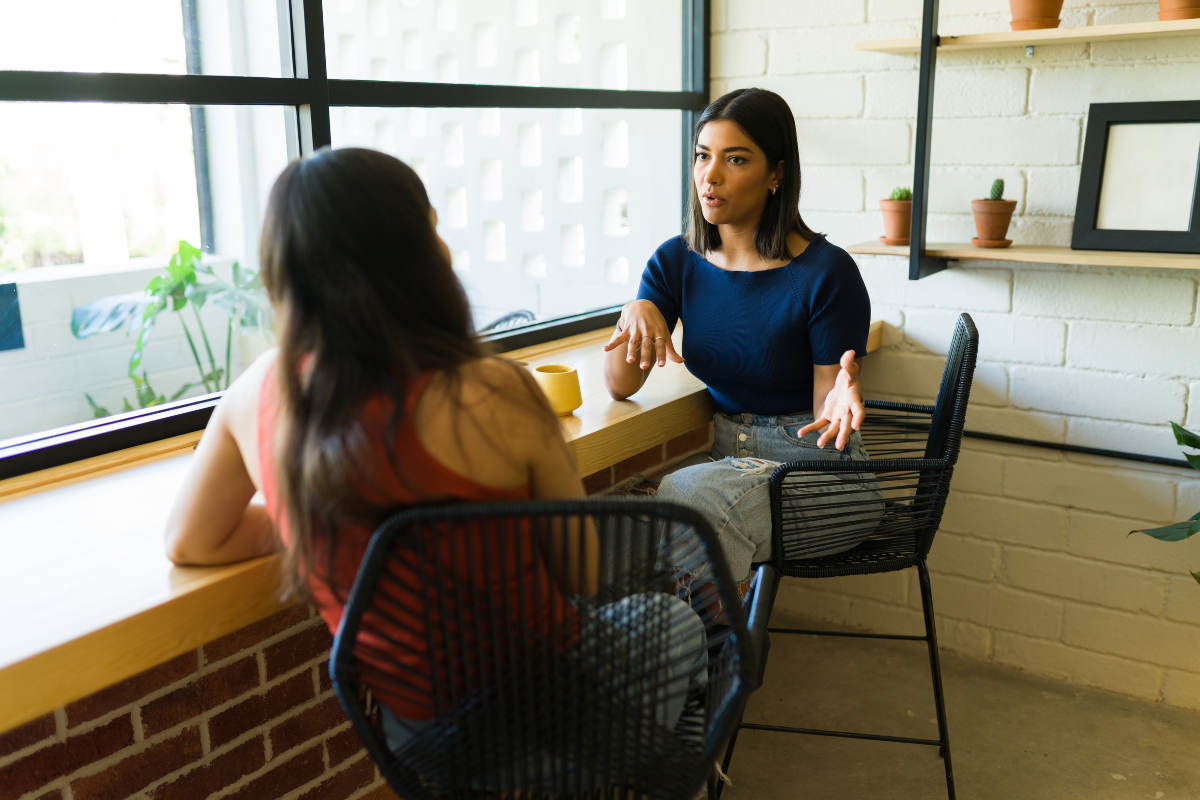
COMMUNICATION
The conversation keeps getting avoided.
Tension builds because no one knows how to address what is happening without making things worse.

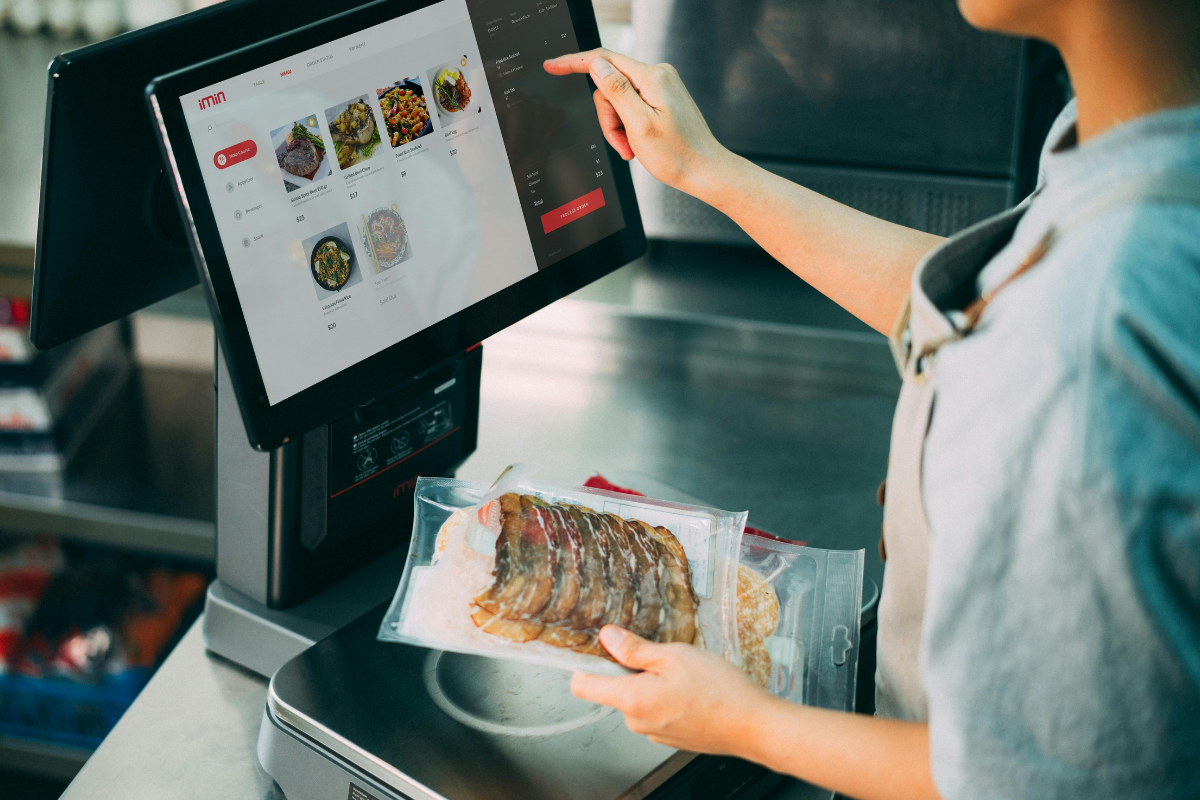
AI + TECHNOLOGY CHANGE
AI is changing the work—and creating uncertainty.
New tools can raise questions about roles, expectations, skills, job security, and how people are expected to adapt.

CONFLICT
The same conflict keeps resurfacing.
The topic may change, but the team keeps falling into familiar patterns of reacting, defending, withdrawing, or blaming.

BURNOUT
Everyone is stretched too thin.
People are working hard, but patience, communication, and connection are wearing down.
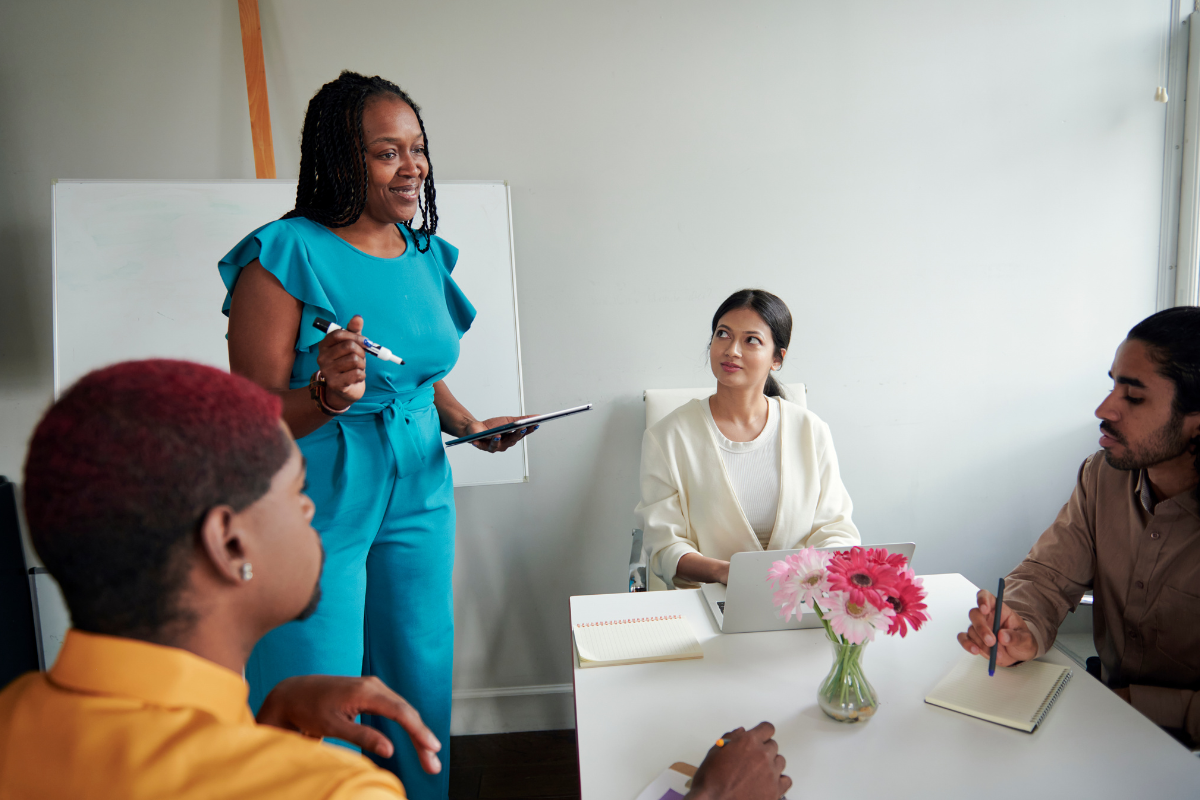
CHANGE
Change is creating resistance or uncertainty.
Staffing changes, shifting priorities, new structures, or leadership transitions can leave people unsure of what comes next.
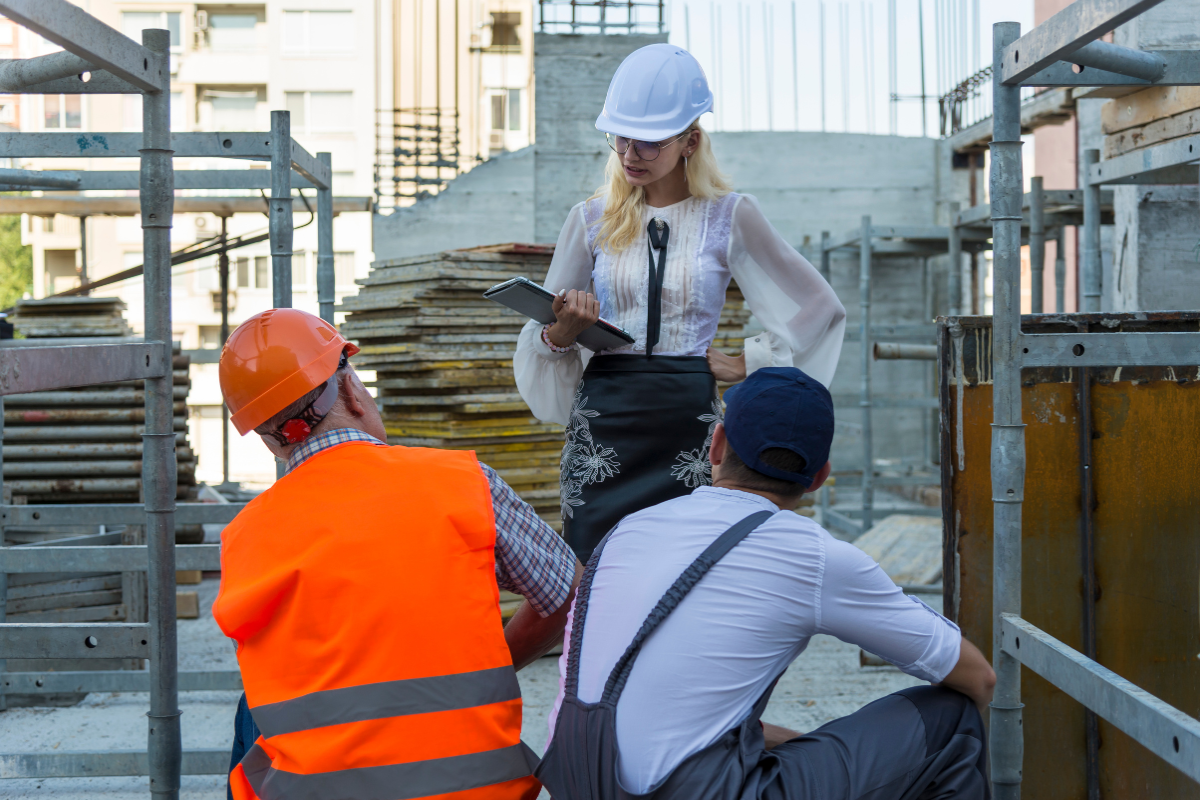
LEADERSHIP
Managers are carrying too much.
They’re expected to deliver results while carrying conflict, uncertainty, workload pressure, and the needs of their teams.
TEAM DYNAMICS
The team knows something isn’t working.
People can name the problem, but awareness alone hasn’t changed what happens when pressure rises.
THE INFRASTRUCTURE WE DON’T ALWAYS SEE
Strong systems still depend on people.
Organizations invest heavily in strategy, technology, processes, and technical expertise. All of those matter. But whether they work as intended often depends on something less visible: how people communicate under pressure, navigate conflict, adapt to change, build trust, and work together.
We call this human infrastructure.
Human infrastructure is the emotional, relational, communication, and resilience capacity underneath how work gets done.
It shapes what happens when a deadline gets tight, a handoff goes wrong, someone receives difficult feedback, a new system is introduced, or a team has to make decisions under pressure.
When that infrastructure is strained, even strong strategies and systems can be harder to carry out. When people have practical skills and shared language for navigating those moments, teams have more capacity to respond intentionally and move forward together.
We Are Resilient™ helps strengthen this human infrastructure by giving people practical ways to notice what happens under stress, create space for choice, and practice how they want to respond.
WHAT ORGANIZATIONS INVEST IN
Strategy
Technology
Systems
Technical Skills
↓
THE FOUNDATION UNDERNEATH
Human Infrastructure
The human capacities that shape how people respond, relate, communicate, and collaborate.
Communication
Trust
Self-Awareness
Resilience
Collaboration
Adaptability
WE ARE RESILIENT™ IN PRACTICE
Small shifts in stressful moments can change what happens next.
We Are Resilient™ helps people notice what is happening under stress, create space for choice, and practice skills that support clearer communication, stronger relationships, and more intentional collaboration.
See what this can look like in real workplace moments.

THE MOMENT
A supervisor is already behind when an employee raises another concern at the end of a difficult shift. They can feel themselves getting defensive and wanting to shut the conversation down.
THE PRACTICE
They notice Defending beginning to surface and approach the moment with Curiosity. Breathing Mindfully creates a little space before responding. Heartfelt Listening helps them understand what is actually being raised, and Speaking Authentically helps clarify what can happen next.
THE RIPPLE EFFECT
Instead of the conversation escalating or ending in frustration, there is more room for clarity, repair, and shared next steps. Repeated moments like this can strengthen how a team communicates under pressure.

THE MOMENT
A team is being asked to adopt new AI tools that may change how people work. Some are excited about the possibilities; others are worried about expectations, their roles, or what the changes could mean for them. Meetings are beginning to fill with resistance, frustration, and competing assumptions.
THE PRACTICE
Rather than treating resistance as simply a problem to overcome, the team uses Curiosity to understand what is underneath it. Noticing Group helps surface different reactions and concerns, while Seeking Agreements creates clarity about what will be tested, how AI will be used, what support people need, and how the team will learn together.
THE RIPPLE EFFECT
AI adoption becomes something the team can navigate together rather than something simply happening to them. Concerns can be discussed more openly, expectations become clearer, and people have more agency in how they adapt to changing ways of working.

THE MOMENT
A handoff is missed for the third time. One coworker feels ignored. The other feels blamed. Within minutes, the conversation shifts from solving the problem to defending who is right.
THE PRACTICE
They begin by noticing Attacking and Defending rather than automatically acting from them. Curiosity creates space to understand what each person experienced. Speaking Authentically and Seeking Agreements help move the conversation toward expectations, responsibilities, and what needs to happen differently.
THE RIPPLE EFFECT
Accountability does not disappear—but it becomes easier to separate the problem from the person. The team has a better chance of repairing trust while creating clearer agreements for the future.

THE MOMENT
Everyone is stretched. Staffing is tight, priorities keep changing, and small mistakes are beginning to trigger outsized reactions.
THE PRACTICE
People practice Noticing Myself and Noticing Others before assuming intent. Centering Skills create more space before reacting, while Nurturing Myself and Contributing Intentionally help people consider what they need and what they can realistically bring to the team.
THE RIPPLE EFFECT
The workload may still be difficult. But people have more capacity to communicate clearly, ask for what they need, and work through pressure without automatically turning on themselves or each other.
FIND THE RIGHT STARTING POINT
What is your team navigating?
You do not need to know which training, assessment, or coaching option you need. Start with what is happening now, and explore the support that may fit.
COMMUNICATION + CONFLICT
Communication or conflict keeps getting in the way.
Conversations are getting harder, tension keeps resurfacing, or people are avoiding what needs to be addressed.
Explore team learningAI, CHANGE + UNCERTAINTY
AI and other changes are reshaping the work.
New technology, shifting roles, restructuring, or uncertainty can affect how people communicate, adapt, make decisions, and work together.
Explore resilience trainingMANAGERS + LEADERS
Our managers are carrying too much.
Leaders need practical support navigating people, pressure, difficult conversations, competing demands, and their own patterns.
Explore coachingTEAM INSIGHT
We need a clearer picture of what is happening.
You can feel the friction, disconnection, or strain—but need better insight into the patterns affecting the team.
Explore assessmentsONGOING PRACTICE
We want more than a one-time workshop.
Your team is ready to build shared language, practice together, and strengthen healthier ways of working over time.
Explore the 6-week experienceSTART SMALL
We are not ready for a larger engagement yet.
Start with practical resources you can use and share with your team right now.
Explore free workplace toolsWHAT PARTICIPANTS EXPERIENCE
What changes when people have another way to respond?
The goal is not to remove pressure, conflict, or difficult moments. It is to help people build the awareness, shared language, and practical skills to respond with more choice when those moments happen.
CHOICE UNDER PRESSURE
Recognizing that there is another choice.
“I think it’s empowering for them [the managers] to hear that they have choices, and that their reactions come from a place they are allowed to tap into…and then make a better choice!”
Jackie Vasquez
VP Operations, Sambraillo
LEADERSHIP IN PRACTICE
Centering changes how leadership shows up.
“After completing the Dovetail Learning resilience training, I have seen how my ability to center myself in times of high energy or high stress makes me a more effective leader for my team. I believe every business should invest in strengthening the resilience skills of its managers to help build a healthy, collaborative organization.”
Vanda Davis
President, The Answer Network
BUILT ON EXPERIENCE
We Are Resilient™ builds on Dovetail Learning’s long-standing work helping people understand stress, strengthen relationships, and practice resilience in the places where they live and work.
20+
Years of experience
Across resilience education, adult learning, coaching, program delivery, and evaluation.
200+
Resilient Coaches trained
Building capacity to bring practical resilience skills into organizations and communities.